Dengue Fever in Bali: Symptoms, Warning Signs, Testing, and Treatment

November 09, 2026

dr. Andre

Featured

Dengue Fever in Bali: Symptoms, Testing & Treatment

Visiting Bali and experiencing fever, headache, or body pain? Learn about dengue fever symptoms, warning signs, blood tests, and medical treatment in Ubud.

Bali is a popular tropical destination known for its beautiful beaches, lush landscapes, and warm weather throughout the year. However, tropical environments also provide favorable conditions for mosquitoes that can transmit dengue fever.

Dengue is a mosquito-borne viral infection that occurs in many tropical and subtropical countries, including Indonesia. Both tourists and local residents can become infected. Even if you are generally healthy, dengue fever can sometimes develop into a serious medical condition requiring hospitalization.

If you develop a fever during your stay in Bali, it is important to understand the symptoms of dengue, recognize warning signs, and seek medical attention when necessary.


1. What Is Dengue Fever?

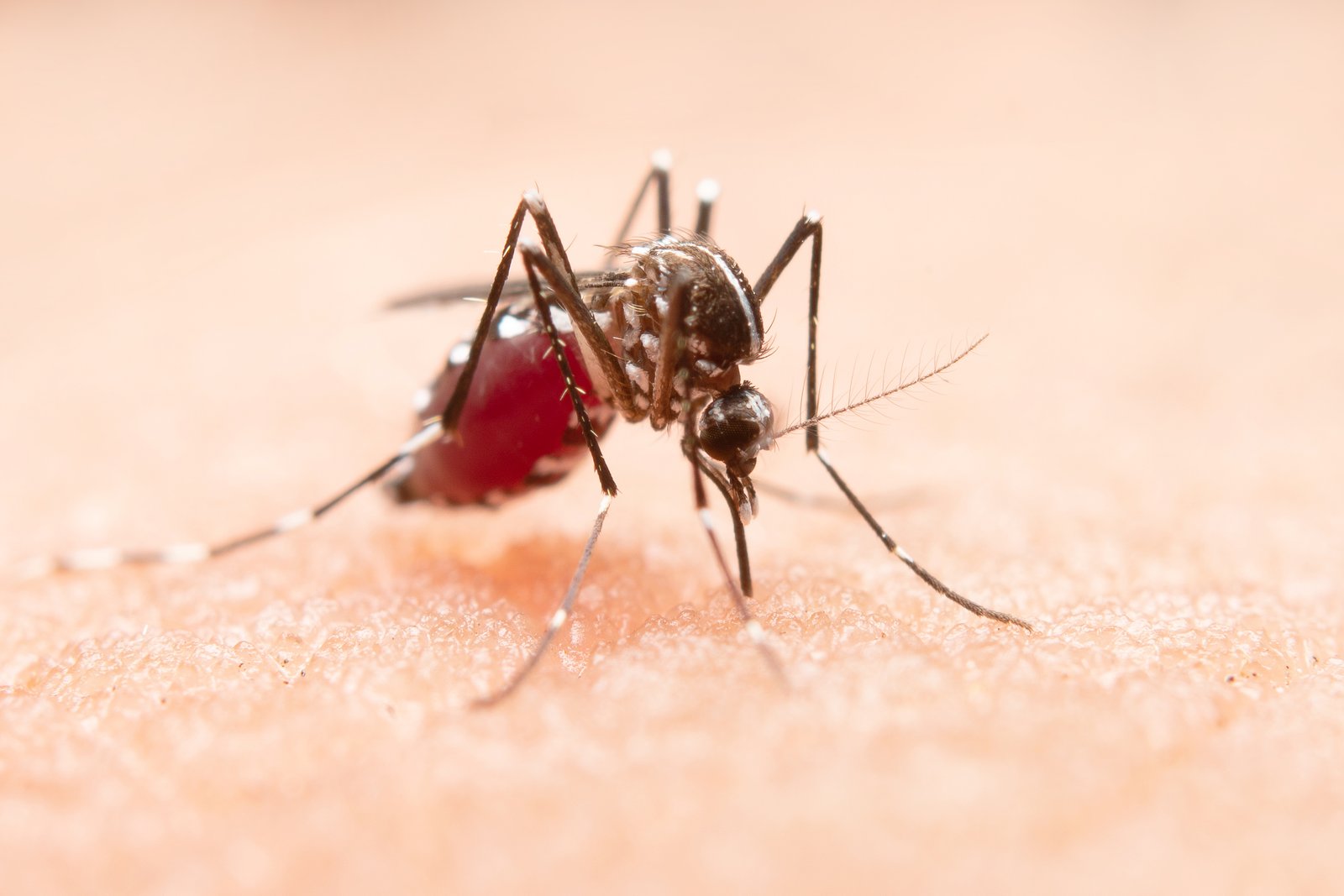
Dengue fever is a viral infection transmitted primarily through the bite of infected female Aedes mosquitoes, particularly Aedes aegypti.

These mosquitoes are commonly found in tropical and urban environments and can bite during the daytime, particularly in the morning and late afternoon.

There are four main dengue virus serotypes: DENV-1, DENV-2, DENV-3, and DENV-4.

A person can become infected with dengue more than once. Infection with a different serotype can increase the risk of severe dengue in subsequent infections.


2. Common Symptoms of Dengue Fever

Dengue symptoms usually begin around 4–10 days after an infected mosquito bite.

Some people experience mild symptoms, while others may develop more significant illness.

Common symptoms include:

  • Sudden high fever.
  • Severe headache.
  • Pain behind the eyes.
  • Muscle and joint pain.
  • Nausea and vomiting.
  • Loss of appetite.
  • Skin rash.
  • General fatigue and weakness.

Because these symptoms can resemble other infections, including influenza and other mosquito-borne illnesses, clinical assessment is important.

A doctor may recommend blood tests to help establish the diagnosis.


3. When Should You Be Concerned About Dengue?

One of the most important things to understand about dengue is that a reduction in fever does not always mean that the patient is recovering.

The critical phase of dengue can begin around the time the fever subsides, commonly between days 3 and 8 after fever onset.

During this period, some patients may develop severe complications due to plasma leakage, bleeding, or organ involvement.

Watch carefully for the following warning signs:

  • Severe abdominal pain or tenderness.
  • Persistent vomiting.
  • Bleeding from the nose or gums.
  • Vomiting blood.
  • Blood in the stool or black stools.
  • Unusual tiredness, restlessness, or drowsiness.
  • Difficulty breathing.

Important: Seek immediate hospital assessment if any of these warning signs develop, even if the fever has already disappeared.

Severe dengue is a medical emergency.


4. How Is Dengue Fever Diagnosed?

Dengue diagnosis is based on clinical assessment and appropriate laboratory investigations.

A healthcare professional may recommend the following tests:

A. Complete Blood Count (CBC)

A CBC is commonly used to monitor:

  • Platelet count.
  • White blood cell count.
  • Hematocrit (HCT).
  • Hemoglobin levels.

Dengue may be associated with reduced white blood cell and platelet counts. Changes in hematocrit can also help clinicians assess possible plasma leakage.

However, a low platelet count alone does not determine whether a patient has severe dengue.

B. Dengue NS1 Antigen Test

The NS1 antigen test can help detect dengue infection during the early stage of illness, particularly during the first several days after symptoms begin.

C. Dengue IgM and IgG Antibody Tests

Antibody tests can help identify the body's immune response to dengue infection.

IgM generally becomes detectable after the first few days of illness, while IgG interpretation depends on whether the infection is primary or a previous infection.

The appropriate test depends on the duration of symptoms and clinical circumstances. A negative early test does not always exclude dengue.

Your doctor may recommend repeat testing or additional investigations if necessary.


5. How Is Dengue Fever Treated?

Currently, there is no specific antiviral medication that cures dengue fever.

Treatment focuses on supportive care, hydration, symptom management, and monitoring for complications.

A. Rest and Recovery

Adequate rest is important while your body fights the infection.

Avoid strenuous physical activity until you have recovered and your doctor confirms that it is safe.

B. Maintain Adequate Hydration

Drink sufficient fluids throughout the day.

Depending on your condition, appropriate fluids may include:

  • Water.
  • Oral rehydration solution.
  • Electrolyte-containing drinks.
  • Soup and other suitable fluids.

If you are unable to drink enough or develop warning signs, medical assessment and potentially hospital-based fluid treatment are necessary.

C. Fever Management

Paracetamol (acetaminophen) is generally recommended for controlling fever and relieving pain.

Avoid aspirin and non-steroidal anti-inflammatory drugs (NSAIDs), including ibuprofen, because they can increase the risk of bleeding.

D. Medical Monitoring

Your doctor may recommend regular clinical assessments and repeat blood tests to monitor platelet count, hematocrit, hydration, and overall clinical progress.

Monitoring is particularly important around the time the fever subsides.

E. Intravenous Fluid Therapy

IV fluids may be required in selected patients, particularly when oral hydration is inadequate or there are signs of plasma leakage or circulatory compromise.

However, IV fluids are not automatically necessary for every dengue patient. They must be carefully prescribed and monitored because excessive fluids can also cause complications.

Patients with warning signs or severe dengue require hospital management.


6. How Can You Prevent Dengue Fever in Bali?

Preventing mosquito bites is one of the most effective ways to reduce your risk of dengue infection.

Here are some practical precautions:

Use mosquito repellent

Apply an appropriate mosquito repellent containing an effective active ingredient such as DEET, picaridin, or IR3535.

Wear protective clothing

Choose lightweight, long-sleeved shirts and long trousers when possible.

Use air conditioning and mosquito screens

Stay in accommodation with properly maintained window screens or air conditioning when available.

Avoid mosquito breeding areas

Remove standing water around your accommodation whenever possible.

Mosquitoes can breed in small containers of stagnant water, including flowerpots, buckets, and discarded items.

Use mosquito nets when appropriate

A mosquito net can provide additional protection, particularly for people resting during the daytime.


7. Can You Spread Dengue to Other People?

Dengue is not normally transmitted directly from one person to another through casual contact, hugging, or sharing food.

However, an infected person can transmit the virus to mosquitoes when bitten during the period the virus is present in their blood.

Those mosquitoes can then transmit dengue to other people.

For this reason, patients with suspected or confirmed dengue should take extra precautions to avoid mosquito bites, particularly during the first week of illness.


8. When Should You See a Doctor?

If you develop a sudden fever while staying in Bali, particularly when accompanied by headache, muscle pain, or nausea, arrange a medical assessment.

You should not wait until your symptoms become severe.

Medical evaluation is particularly important if:

  • Your fever persists.
  • You experience significant weakness.
  • You develop a skin rash.
  • You have difficulty maintaining fluid intake.
  • You have a history of previous dengue infection.
  • You are pregnant or have an underlying medical condition.

If warning signs develop, seek immediate hospital care.


9. Dengue Testing and Medical Care in Ubud, Bali

Experiencing fever during your holiday can be stressful, especially when you are unfamiliar with local healthcare services.

Apollo Medical Clinic provides medical consultations and diagnostic assessment for travelers and international visitors in Ubud.

Depending on your symptoms and clinical assessment, our medical team can recommend appropriate investigations, including:

  • Complete Blood Count (CBC).
  • Dengue NS1 antigen testing.
  • Dengue IgM and IgG testing when indicated.
  • Follow-up blood investigations when clinically appropriate.

Our doctors can assess your symptoms, evaluate your hydration status, review laboratory results, and advise on the appropriate treatment and monitoring plan.

Patients with warning signs or suspected severe dengue require urgent referral to a hospital for appropriate monitoring and treatment.


Final Thoughts

Dengue fever is an important health concern for anyone living in or visiting Bali. Recognizing early symptoms, avoiding mosquito bites, and seeking medical assessment when you develop a fever can help ensure appropriate care. Most importantly, remember that the period when your fever starts to disappear can be a critical time. Continue monitoring your symptoms and never ignore warning signs.


Experiencing fever during your stay in Ubud?

Contact Apollo Medical Clinic for medical consultation and dengue-related diagnostic assessment.

Website: https://apolloclinicbali.com/
Click here : Laboratory & Diagnostic Testing


This article provides general medical information and does not replace an individual medical consultation. Suspected severe dengue requires urgent hospital assessment.


Share:

Blog

ANOTHER
STORIES

Our blog shares practical health tips, travel advice, and updates from our clinic to help you take care of yourself—before, during, and after your trip.

Featured

November 10, 2026

dr. Vincent Gosal

Food Poisoning in Bali: Symptoms, Treatment, and When to See a Doctor

Food Poisoning in Bali: Symptoms, Treatment & PreventionExperiencing vomiting, diarrhea, or stomach pain in Bali? Learn about food poisoning, its symptoms, treatment, prevention, and when to visit a doctor in Ubud. Bali is famous for its beautiful beaches, tropical atmosphere, and delicious local cuisine. From traditional Balinese dishes to fresh tropical fruit and popular street food, exploring the local food scene is an essential part of many visitors' holidays. However, changes in food, water, and eating habits can sometimes lead to an unpleasant health problem: food poisoning.Food poisoning occurs when someone consumes food or drinks contaminated with harmful microorganisms, toxins, or other substances. It is a relatively common concern among international travelers and can cause symptoms ranging from mild stomach discomfort to severe vomiting and diarrhea.If you experience digestive problems during your stay in Bali, understanding the symptoms, appropriate treatment, and warning signs can help you recover safely. 1. What Causes Food Poisoning in Bali?Food poisoning can occur when food or drinks become contaminated with bacteria, viruses, parasites, or toxins.Some common causes include:A. Bacterial ContaminationBacteria are among the most common causes of foodborne illness.Examples include:Salmonella.Escherichia coli (E. coli).Campylobacter.Staphylococcus aureus.These bacteria can enter food through contaminated ingredients, unsafe water, poor food handling, or inadequate cooking.B. Viral InfectionsViruses such as norovirus can spread through contaminated food, water, or contact with infected individuals.Norovirus can cause sudden vomiting, diarrhea, and stomach cramps.C. Contaminated WaterDrinking unsafe water or consuming ice made from contaminated water may increase the risk of gastrointestinal infections.D. Improper Food StorageFood left at room temperature for extended periods, insufficient refrigeration, or inadequate reheating can allow harmful microorganisms to multiply.E. Poor Food HygieneUnwashed hands, contaminated cooking equipment, and improper food preparation can contribute to foodborne illness. 2. Common Symptoms of Food PoisoningSymptoms vary depending on the microorganism or toxin responsible for the infection.Common symptoms include:Nausea.Vomiting.Diarrhea.Abdominal pain or stomach cramps.Bloating.Fever.Loss of appetite.General weakness and fatigue.Symptoms may begin within hours or several days after consuming contaminated food, depending on the cause.Most mild cases improve within a few days. However, some infections may last longer and require medical evaluation. 3. How to Treat Food PoisoningMost uncomplicated cases of food poisoning can be managed with supportive care. The main priority is preventing dehydration and allowing the body to recover.A. Maintain Adequate HydrationVomiting and diarrhea cause the body to lose water and electrolytes.Drink fluids regularly in small amounts, especially if you feel nauseated.Oral rehydration solution (ORS) is particularly useful because it helps replace fluids and electrolytes lost through vomiting and diarrhea.Prepare ORS according to the instructions on the packaging.B. Eat Easily Digestible FoodsWhen you feel ready to eat, choose foods that are gentle on your stomach, such as:Rice.Bananas.Toast.Potatoes.Clear soup.Other light, easily digestible meals.Avoid greasy, spicy, or heavy meals until your symptoms improve.C. Get Enough RestYour body needs time to recover.Avoid strenuous activities, prolonged exposure to heat, and excessive physical activity while experiencing vomiting or diarrhea.D. Use Medication AppropriatelyMedication may be recommended depending on your symptoms and clinical condition.However, antibiotics are not necessary for every case of food poisoning. They should only be used when clinically indicated and prescribed by a healthcare professional.Some anti-diarrheal medications may be inappropriate, particularly if you have a fever or bloody diarrhea.Do not take medication without understanding whether it is suitable for your condition. 4. Signs of Dehydration You Should Not IgnoreOne of the most important complications of food poisoning is dehydration.This occurs when the body loses more fluids than it receives, especially during repeated episodes of vomiting and diarrhea.Common signs of dehydration include:Excessive thirst.Dry mouth and lips.Dark yellow urine.Reduced urination.Dizziness or lightheadedness.Headache.Unusual weakness or fatigue.More serious dehydration may cause fainting, confusion, rapid heartbeat, or very little urine output.If you experience these symptoms, seek medical attention promptly.Severe dehydration may require urgent hospital treatment and intravenous fluid therapy. 5. When Should You See a Doctor?Although many cases of food poisoning improve without specific treatment, certain symptoms should never be ignored.Seek medical attention if you experience:Persistent or frequent vomiting.Inability to keep fluids down.Bloody diarrhea.High fever.Severe or persistent abdominal pain.Signs of dehydration.Diarrhea lasting more than three days.Symptoms that become progressively worse.Young children, older adults, pregnant individuals, and people with weakened immune systems may be at greater risk of complications and should seek medical advice earlier.If you experience fainting, confusion, severe dehydration, or severe abdominal pain, seek urgent medical care. 6. Do You Need a Blood Test or Stool Test?Not every patient with food poisoning requires laboratory investigations.A doctor will first evaluate your symptoms, medical history, hydration status, and physical condition.Depending on the findings, additional tests may be recommended.A. Blood TestsA complete blood count (CBC) and other blood investigations may be considered when symptoms are severe, prolonged, or associated with dehydration or suspected systemic infection.B. Stool TestsStool testing may be recommended in certain situations, such as:Bloody diarrhea.Persistent diarrhea.Severe symptoms.Suspected bacterial or parasitic infection.Cases where identifying the infectious organism may change treatment.The need for testing depends on the individual clinical assessment. 7. How to Prevent Food Poisoning During Your Bali HolidayYou can reduce your risk of food poisoning by following some simple food and water safety practices.Drink Safe WaterChoose bottled, properly treated, or boiled drinking water. Avoid drinking water from uncertain sources.Be Careful With IceChoose establishments that use ice from a reliable and safe water supply.Eat Freshly Prepared FoodChoose freshly cooked meals served hot whenever possible.Wash Your HandsWash your hands with soap and clean water before eating and after using the toilet. Hand sanitizer can be used when soap and water are unavailable.Wash Fruits and VegetablesWash produce with safe water. Peel fruits when appropriate.Avoid Undercooked FoodBe cautious with raw or undercooked meat, seafood, eggs, and other potentially high-risk foods.Choose Clean Food EstablishmentsPay attention to food hygiene, cleanliness, proper storage, and food handling practices.Even when following these precautions, food poisoning can still occur. 8. Food Poisoning and Medical Care in Ubud, BaliGetting sick during your holiday can be frustrating, especially when you have planned activities and travel arrangements.If you experience vomiting, diarrhea, stomach pain, or dehydration while staying in Ubud, a medical consultation can help determine the severity of your condition and guide appropriate treatment.Apollo Medical Clinic provides medical consultations and diagnostic assessment for travelers, expats, and local residents.Depending on your symptoms and clinical findings, our medical team can recommend:Medical consultation and physical assessment.Evaluation of dehydration.Appropriate medication.Laboratory investigations when indicated.Oral rehydration recommendations.Intravenous fluid therapy when medically necessary.Our priority is to help patients receive appropriate medical care and recover safely.Patients with severe dehydration, serious abdominal symptoms, or other complications may require referral to a hospital for further evaluation and treatment. Final ThoughtsFood poisoning can happen to anyone, even when visiting reputable restaurants or eating familiar foods. Most mild cases improve with adequate hydration, rest, and appropriate supportive care. However, persistent vomiting, bloody diarrhea, high fever, and signs of dehydration require medical attention. If you become unwell during your stay in Bali, do not ignore your symptoms. Early medical assessment can help prevent complications and support a safer recovery. Experiencing vomiting, diarrhea, or stomach pain in Ubud?Contact Apollo Medical Clinic for medical consultation and assistance during your stay in Bali.Apollo Medical Clinic – Ubud, BaliWebsite: https://apolloclinicbali.com/Click here : IV Drip Therapy & Recovery Boost This article is intended for general educational purposes and does not replace professional medical advice, diagnosis, or treatment.

View more

Want to know more about our facilities? Click the button to see
the full list of facilities available at Apollo Medical.

Contact us via WhatsApp